

Roof Expert in Jacksonville, FL: How to Choose the Right Jacksonville Roofing Contractor
If you’ve lived through an afternoon thunderstorm that turns the sky dark over the St. Johns River, you know how fast wind and rain can test your roof. That’s why choosing a roof expert matters for every homeowner and property manager here. The right professional understands our subtropical climate, hurricane season, and the details that keep your home dry and secure.
From June through November, hurricane threats mix with year-round humidity, summer UV, and salt air near the coast. Those conditions demand proven installation methods, corrosion-resistant materials, and proactive maintenance—especially across the Jacksonville metro area and broader Northeast Florida. Selecting the right roofing contractor isn’t just about price; it’s about durability, compliance, and peace of mind.
Whether you’re planning a full replacement or need roof repairing after a storm, this guide will help you vet pros, compare materials, and plan for inspections and insurance needs. Let’s make sure your roof is as ready as you are for the next tropical system.
Key Takeaways
- Choose contractors who design for hurricane season, high humidity, and salt air exposure common along the Atlantic coast.
- Request a wind-focused inspection and ask for mitigation details like nailing patterns, underlayment type, and sealed edges.
- For coastal properties, prioritize corrosion-resistant flashings and fasteners and algae-resistant shingles.
- Plan for pre-season (spring) and post-season (late fall) inspections to catch storm or UV damage early.
- Understand insurance and HOA requirements in Duval County before signing a contract to avoid delays.
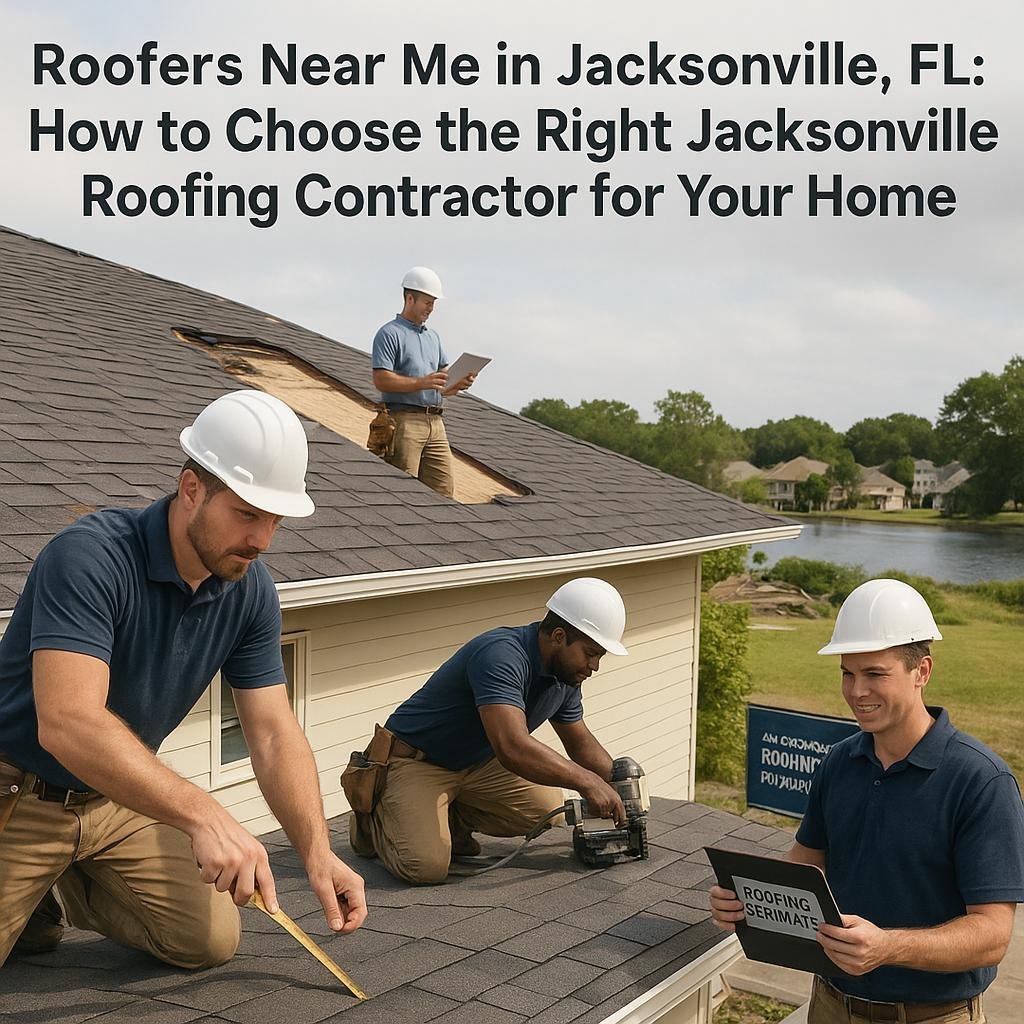
What a Roof Expert Brings to Jacksonville Homes
Not all roofers are the same—and in a coastal, subtropical environment, experience matters. A roof expert blends hands-on skills with local knowledge so your system handles heavy rain, gusty squalls, and months of heat and humidity. Expect more than a generic roof: expect a weather system tailored to Northeast Florida.
That includes proper high-wind fastening patterns, sealed edges, and secondary water barriers that shed wind-driven rain. Attic ventilation is sized to our summer heat to help reduce shingle aging and keep energy bills reasonable. For coastal communities, a seasoned pro specifies stainless or coated fasteners, aluminum or stainless flashings, and sealants that resist salt spray. They’ll also recommend algae-resistant shingles to limit black streaks that grow quickly in humid air.
A true roofing specialist documents conditions with photos, explains the “why” behind each component, and sets maintenance expectations—like cleaning gutters ahead of storm season or scheduling a post-storm check. If you want a partner who treats your home like a system, consider working with Jacksonville Roof Specialists, where local expertise and craftsmanship go hand in hand.
Evaluating Roofing Contractors in the Jacksonville Metro Area
When comparing bids, start by confirming licensing and insurance. Ask for the Florida license number, general liability, and workers’ compensation certificates. Next, look for detailed proposals that specify material brands, underlayment type, nail counts per shingle, ridge ventilation, and flashing metals—details that affect performance in a storm.
Strong Jacksonville roofing contractors are transparent about permitting in Duval County and familiar with HOA submittals. They provide a clear schedule, confirm protection for landscaping and pools, and outline daily cleanup. Ask who performs the work—dedicated crews or rotating subcontractors—and how the site is supervised. Finally, verify warranties: understand the difference between manufacturer material coverage and the contractor’s workmanship warranty, and what qualifies for upgraded system warranties.
Communication matters, too. Expect prompt responses, a single point of contact, and an inspection report with photos. If an estimate seems unusually low, check what’s missing—often it’s items like peel-and-stick underlayment, starter strip at eaves and rakes, or premium ridge caps that greatly improve wind resistance.
Materials That Stand Up to Northeast Florida’s Climate
Your material selection should address heat, humidity, wind, and salt. Architectural asphalt shingles remain popular for their value and aesthetics, and many now feature algae-resistant granules that help maintain a beautiful roof. Metal roofing is another strong option for longevity and wind performance, especially with coastal-grade coatings that resist corrosion.
When considering shingles, review wind ratings and available system warranties from reputable manufacturers like GAF and Owens Corning. Ask your contractor about enhanced nailing zones and whether the shingle requires four or six nails for high-wind areas. Underlayments matter just as much: peel-and-stick ice/water barriers at eaves, valleys, and penetrations create an extra seal against wind-driven rain.
Color selection affects heat load. Lighter, reflective hues can reduce attic temperatures during our intense summer sun. If you’re closer to the coast, request aluminum or stainless steel for drip edge and flashing, and confirm fasteners are corrosion-resistant. The right material mix prepares your home for afternoon thunderstorms and the heart of hurricane season.
Your Step-by-Step Process to Hire the Best Roof Expert
Hiring is smoother when you follow a simple process. Here’s a practical sequence that works well in Jacksonville and across Northeast Florida:
- Define your goals: storm resilience, curb appeal, energy efficiency, or all three.
- Verify credentials: license, insurance, safety protocols, and local permitting experience.
- Schedule a roof and attic inspection: insist on photos, a moisture check, and ventilation assessment.
- Request two to three detailed proposals using comparable materials to make apples-to-apples comparisons.
- Check references and drive by recent projects; ask about cleanup, punctuality, and post-storm performance.
- Confirm wind mitigation details: nailing pattern, sealed edges, underlayment type, and ridge ventilation.
- Finalize a clear contract with scope, materials, start date, payment schedule, and warranty terms.
Want to meet the team that will be on your roof? Explore our story and credentials on the About Us page. A best roof expert isn’t just skilled; they’re transparent and consistent from estimate to final inspection.
Inspections, Roof Repairing, and Maintenance Between Storms
Jacksonville’s afternoon thunderstorms, combined with high humidity, put year-round stress on roofing systems. Proactive inspections and small roof repairing tasks can prevent leaks and extend service life. Plan a spring inspection ahead of hurricane season and a fall follow-up after the most active months. Add a check after any named storm or hail event.
- Keep trees trimmed back from the roof to prevent abrasion and wind damage.
- Clean gutters and downspouts to prevent overflow during sudden downpours.
- Remove debris from valleys and flat areas to avoid water traps.
- Inspect and reseal flashings around chimneys, skylights, and pipe boots.
- Watch for dark algae streaks; schedule gentle, approved cleaning (no harsh pressure).
- Check attic ventilation and look for signs of heat buildup or moisture.
- Address lifted shingles, cracked boots, or loose fascia immediately to stop water intrusion.
These steps fight common issues like algae growth, wind-lifted edges, and UV wear. A roofing professional will also review fastener condition and suggest corrosion-resistant upgrades if you’re near salt spray zones. Small fixes today can prevent major repairs tomorrow.
Understanding Insurance, Wind Mitigation, and HOAs in Duval County
Insurance carriers often reward wind-ready roofs. Ask your contractor about wind mitigation inspections and forms that can qualify for policy credits. Features like proper roof deck attachment, sealed roof deck (secondary water barrier), and enhanced nail patterns may help with savings—while also adding resilience when tropical storms sweep across Northeast Florida.
For HOA neighborhoods, collect community guidelines early. Common requirements include approved shingle colors, metal roof profiles, and drip edge finishes. Your contractor should package a clean submittal with product sheets and color samples to speed approval. Clear communication with property managers helps keep timelines on track.
Permits and inspections are part of every professional reroof. Your contractor should handle the paperwork, coordinate inspections, and provide final documentation—including material and workmanship warranties and any wind mitigation reports you need for your insurer.
Local vs Out-of-Town Roofers: What Works Best for Northeast Florida
| Option | Pros | Watch-outs |
|---|---|---|
| Local contractor | Understands storms, humidity, and salt; faster service; easier warranty support; local references. | Verify crew capacity during peak hurricane season to avoid delays. |
| Out-of-town contractor | May offer unique products or pricing during slow periods. | Less familiar with HOA rules, local permitting, and salt/UV impacts; warranty follow-through may be harder. |
| Storm-chaser | Quick presence after major weather events. | High risk of disappearing warranties, rushed installs, and minimal local accountability. |
Roofing Mistakes Jacksonville Homeowners Should Avoid
Skipping a pre-hurricane inspection. Small issues like lifted shingles or cracked flashing become leaks under tropical downpours.
Choosing solely by lowest price. Bargain bids often omit essential wind upgrades such as six-nail patterns, sealed edges, and quality ridge caps.
Ignoring ventilation in a humid climate. Poor airflow accelerates shingle aging, encourages mold, and raises cooling costs.
Using the wrong metals near salt air. Non-coastal fasteners and flashing corrode quickly; specify aluminum or stainless in exposed areas.
Pressure washing shingles. Harsh cleaning can void warranties and strip protective granules; use approved low-pressure, chemical cleaning methods.
Frequently Asked Questions
When is the best time to replace a roof in Northeast Florida?
Spring is ideal to prep for hurricane season, with late fall also popular after peak storms pass. Reputable contractors can install year-round, but scheduling early helps secure materials and dates.
What wind rating should I look for on shingles?
Ask about shingles rated 110–130 mph with enhanced nailing zones. Pair them with proper six-nail patterns, sealed edges, and peel-and-stick underlayment in vulnerable areas to improve performance.
How often should I schedule inspections in a humid, coastal climate?
Plan for twice per year—pre-season and post-season—and after any major storm. This cadence catches wind, UV, and moisture issues early, reducing the odds of interior leaks.
Will a new roof lower my insurance premium?
Often, yes. Wind mitigation features (like sealed roof decks and enhanced attachments) can qualify for credits. Ask your contractor to provide documentation your insurer recognizes in Jacksonville.
Do I need different materials near the beach?
Yes. Favor aluminum or stainless steel flashings and fasteners, corrosion-resistant coatings for metal panels, and algae-resistant shingles. These choices hold up better against salt spray and humidity.
What colors work best for summer heat?
Lighter, reflective colors can reduce attic temperatures and help shingles last. If your HOA has guidelines, confirm approved palettes before signing a contract.
Ready for a Stronger Roof? Here’s Your Next Step
Choosing the right contractor in Jacksonville means prioritizing wind resistance, moisture control, and materials that thrive in a coastal, subtropical climate. A roof expert will explain every component, from fasteners and flashings to underlayment and ventilation, so your home is ready for hurricane season and the daily heat and humidity.
Have questions, need an inspection, or want a clear, itemized proposal? Contact Jacksonville Roof Specialists to schedule your visit. Our local team stands behind every install and repair, so your home stays protected—and looks great doing it.

