


How to Choose the Right Roof Expert in Jacksonville, FL
When summer storms roll across Duval County, the difference between a quick patch and costly interior damage often comes down to hiring the right roof expert in Jacksonville. Between hurricane season, year-round humidity, and salty coastal air, your roof faces more stress than in most parts of the country.
Jacksonville homeowners need solutions tailored to an Atlantic coast climate. That means wind-rated systems, algae-resistant materials, and installation that stands up to afternoon thunderstorms and tropical storms. Whether you manage a property portfolio or own a single-family home, selecting a seasoned, local roofing professional is essential.
Picture the scene: thunderheads build over the river by 3 p.m., you spot a lifted shingle, and your HOA expects a clean, beautiful roof with approved colors. You don’t have days to hunt for help. You need licensed, insured, and responsive service—fast—and a team that understands Northeast Florida construction and insurance requirements.
Key Takeaways
- Choose wind-rated materials and verified installation methods designed for Jacksonville’s hurricane season and high humidity.
- Request algae-resistant shingles or coatings to fight streaking common in the Jacksonville metro area.
- Ask for wind mitigation details to help with insurance requirements and possible premium credits in Florida.
- Near the coast, prioritize aluminum or corrosion-resistant metals to handle salt spray and sea breezes.
- Schedule roof inspections before June and after major afternoon thunderstorms or tropical systems.
What a Roof Expert Does for Jacksonville Homes
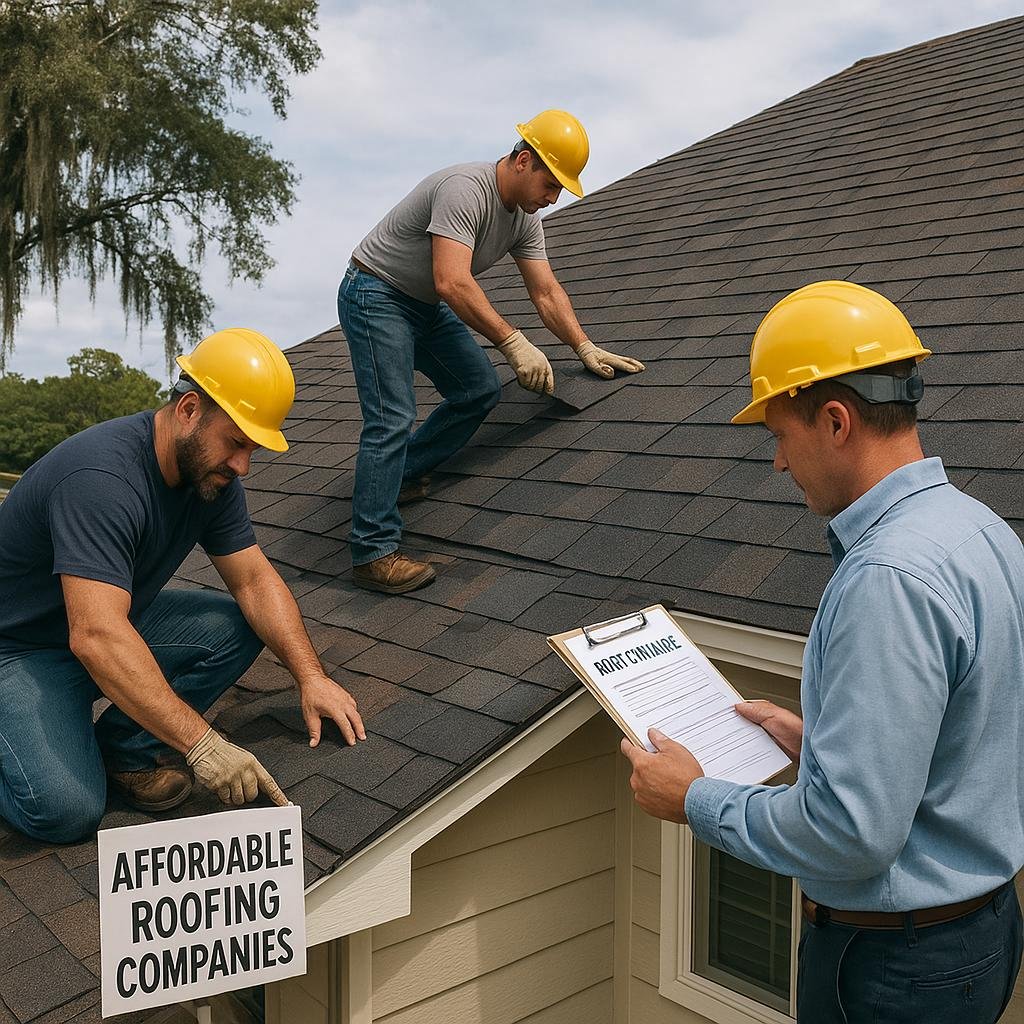
In the Jacksonville area, a qualified roofing specialist is more than a crew with ladders. You should expect a thorough inspection that checks storm-prone zones—ridges, hips, valleys, skylight perimeters, and the roof-to-wall transitions where wind-driven rain sneaks in. A pro will document issues, share photos, and explain which repairs are urgent before the next squall line moves through.
Local knowledge matters. Crews should understand the Florida Building Code, typical HOA guidelines in Jacksonville neighborhoods, and how to secure secondary water barriers and underlayments that withstand high heat and moisture. They’ll suggest algae-resistant shingles, stainless or coated fasteners, and flashing details that hold up to salt air near the Intracoastal and beaches.
Ask about manufacturer certifications and product lines designed for coastal, subtropical climates. Many homeowners prefer premium systems from GAF and Owens Corning because they offer robust wind ratings and strong warranty support when installed by vetted contractors.
Jacksonville Weather Risks: Durable, Beautiful Roofs That Last
Northeast Florida’s subtropical climate brings several challenges: six months of hurricane season, punishing UV exposure, daily heat cycles, and frequent afternoon thunderstorms. These stressors can loosen fasteners, age sealants, and accelerate granule loss on shingles. Over time, humidity invites algae and mold, leaving dark streaks on an otherwise beautiful roof.
Homes in coastal parts of the Jacksonville metro area also contend with salt spray. That means exposed metals—vent pipes, fasteners, drip edge, and flashing—shouldn’t be afterthoughts. Aluminum, stainless, or factory-coated accessories help prevent corrosion and leaks that show up first around penetrations.
To prepare, specify wind-rated shingles, high-temp underlayment for hotter roof decks, and proper intake/exhaust ventilation to control attic moisture. For larger roofs, consider enhanced fastening patterns and starter-strip upgrades at eaves and rakes. These details do the heavy lifting when 60–100 mph gusts arrive with a late-season tropical storm.
Fast Vetting Process: How to Hire a Jacksonville Roofing Contractor
When a storm is in the forecast, you need to move quickly—but carefully. Use this step-by-step process to hire a licensed, reliable contractor in Jacksonville without sacrificing quality.
- Verify licensing and insurance. Confirm Florida state licensure and current liability/worker’s comp coverage. Ask if they provide wind mitigation documentation post-project.
- Request a same-week inspection before June or immediately after damaging winds. Photos and a written scope should identify code-related and storm-related needs.
- Discuss materials and methods. Ask about wind-rated shingles, corrosion-resistant metals, and high-temp underlayment. Inquire about certifications with manufacturers like GAF or Owens Corning.
- Compare warranties. Look for enhanced system warranties and clear workmanship coverage tailored to Florida’s climate.
- Check local references. Seek recent projects in Duval County and ensure the contractor navigates HOA approvals common across Jacksonville neighborhoods.
- Confirm schedule and weather plans. Afternoon storms are routine—ask how the crew will stage materials, tarp quickly, and protect open roof areas.
With these steps, you can balance speed and diligence, finding a team ready for Jacksonville’s unique weather—and ready to stand by the work long after the storm passes.
Roof Repairing vs. Replacement in Duval County: Costs, Timing, and Insurance
Not every leak requires a full tear-off. For localized wind damage—like a few missing shingles—timely roof repairing often restores watertight protection and preserves the system’s lifespan. Repairs make sense when decking is sound, the roof is relatively young, and shingle availability matches your current color and profile.
Replacement becomes the smarter move when shingle granules are thin across broad areas, flashing is corroded, or recurring leaks suggest underlayment failure. In Jacksonville’s heat and humidity, some roofs reach the end of service earlier than expected, especially when ventilation is inadequate or salt air has attacked exposed metals.
If a tropical system caused the damage, document everything. Take interior and exterior photos, keep receipts for emergency tarping, and ask your contractor to provide a written report with wind-related findings. Insurers often want clear evidence and a professional opinion, plus wind mitigation details that may influence future premiums.
Materials That Work in Northeast Florida: A Quick Comparison
Selecting the right system is about balancing looks, wind resistance, salt tolerance, and budget. Here’s how common options perform in Jacksonville’s climate.
| Material | Pros in Jacksonville | Cons/Notes | Typical Lifespan |
|---|---|---|---|
| Architectural Asphalt Shingles | Cost-effective; high wind ratings; algae-resistant options; broad HOA acceptance | Requires proper ventilation; watch for granule loss under strong UV | 20–30 years |
| Metal (Aluminum Preferred Near Coast) | Excellent wind resistance; reflective to reduce heat; strong against salt spray | Higher upfront cost; verify HOA rules; choose corrosion-resistant fasteners | 40–50+ years |
| Concrete/Clay Tile | Premium look; durable in heat; strong wind performance with proper fastening | Heavy; needs structural review; underlayment quality is critical | 30–50 years |
| Low-Slope (TPO/Modified Bitumen) | Good for additions/townhomes; heat-welded seams resist heavy rain | Needs skilled installers; foot traffic can damage membranes | 20–30 years |
Maintenance Checklist for the Jacksonville Metro Area
Proactive care keeps small issues from becoming major leaks when the next thunderstorm hits. Use this local-friendly checklist to extend roof life.
- Before June: schedule an inspection, especially if your home is older or near the coast in Northeast Florida.
- After heavy storms: look for displaced shingles, lifted ridge caps, or debris in valleys and gutters.
- Every 6 months: clean gutters and downspouts; ensure water isn’t backing up under the eaves.
- Trim trees: keep limbs 6–8 feet from the roof to reduce abrasion and storm damage.
- Watch attic ventilation: verify clear soffit vents and functioning exhaust to prevent moisture buildup in Jacksonville’s humidity.
- Treat algae: use approved cleaners for black streaks; avoid harsh pressure washing that can void warranties.
- Inspect flashings: pay attention to coastal corrosion on pipe boots, chimney flashing, and drip edges.
- Rinse salt spray: if you’re close to the Atlantic, occasional fresh water rinses can help metals last longer.
Consistent maintenance proves especially valuable for insurance renewals and can support wind mitigation reports that highlight a roof’s resilience.
Why Homeowners Choose Jacksonville Roof Specialists
From Ortega to the Beaches, homeowners and property managers trust Jacksonville Roof Specialists for fast response, precise installation, and clean job sites. Our crews schedule around afternoon thunderstorms, secure materials overnight, and protect open areas so your home stays dry even if a pop-up shower surprises the forecast.
As a local roofing contractor, we coordinate with HOAs throughout the Jacksonville area and help select approved colors and profiles for a consistent, beautiful roof. We also document projects thoroughly, which many insurers appreciate for claims and wind mitigation files. See our experience and credentials on our About Us page.
Speak with a local roof expert before hurricane season begins. We’ll assess your current system, recommend coastal-ready materials, and guide you on maintenance that stretches service life in Northeast Florida’s heat and humidity.
Roofing Mistakes Jacksonville Homeowners Should Avoid
- Ignoring wind mitigation features. Skipping advanced underlayment, starter strips, or enhanced nailing patterns can cost you in both storms and insurance premiums.
- Choosing non-coastal metals near the beach. Steel components corrode faster with salt spray; prioritize aluminum or coated, marine-grade options.
- Underestimating ventilation. Poor attic airflow in Jacksonville’s humidity accelerates shingle aging and invites mold on sheathing.
- Pressure washing shingles. High-pressure cleaning strips granules and may void warranties; use manufacturer-approved algae treatments instead.
- Waiting to fix small leaks. Afternoon thunderstorms can turn minor drips into saturated insulation, stained ceilings, and costly mold remediation.
Frequently Asked Questions
What roofing materials perform best in Jacksonville’s climate?
Architectural shingles with algae resistance, aluminum standing seam, and properly fastened concrete/clay tile all perform well. The right choice depends on your budget, HOA rules, and proximity to salt air.
How often should I schedule roof inspections in Jacksonville?
At least once per year and after any significant wind event. Most homeowners book a pre-season check in late spring and another after peak hurricane months.
Do I need a wind mitigation inspection for insurance?
Many insurers in Florida offer credits for documented wind-resistant features. Ask your contractor to outline fasteners, underlayment, and secondary water barriers that may qualify.
Will salt air damage my roof if I live near the ocean?
Salt spray accelerates corrosion on exposed metals. Choose aluminum or coated components, rinse occasionally, and inspect flashings and fasteners more frequently.
Can you coordinate with my HOA in Jacksonville neighborhoods?
Yes. A seasoned roofing professional should provide samples, color approvals, and documentation your HOA requires. This helps avoid delays and rework.
How quickly can emergency tarping or dry-in be completed after a storm?
In many cases, same-day or next-day service is available depending on access and weather. Crews in Jacksonville often stage tarps and underlayment specifically for storm response.
Protect Your Jacksonville Home Today
In a climate defined by heat, humidity, and seasonal storms, your roof deserves coastal-ready materials and precise installation. With the right planning, you’ll enjoy a resilient, energy-efficient, and beautiful roof that meets HOA expectations and stands up to Northeast Florida weather.
If you’re comparing repairs versus replacement, or you just want a pre-season inspection, we’re ready to help. Contact Jacksonville Roof Specialists for responsive service, clear recommendations, and workmanship tailored to the Atlantic coast climate.

