

How to Choose the Best Roof Expert in Jacksonville, FL: A Homeowner’s Guide
Finding a roof expert you can trust in Jacksonville isn’t just about price—it’s about protecting your home from our subtropical climate, hurricane season, and year-round humidity. Between June and November, strong winds and afternoon thunderstorms can expose small roof issues that quickly turn into leaks. Add salt air near the coast and high UV in summer, and your roof takes a beating few other regions experience.
Whether you live in Riverside, Mandarin, or closer to the Atlantic coast, choosing the right roofing professional can mean the difference between years of worry-free performance and recurring problems. The best roof expert understands Jacksonville’s microclimates, HOA expectations, and insurance requirements for wind mitigation. If you’re evaluating options today, Jacksonville Roof Specialists is a local team that focuses on durable systems designed for Northeast Florida homes.
Use this guide to compare roofing contractors, spot red flags, and plan roof repairing or replacement with confidence—so your roof looks great, passes inspections, and performs in the next storm.
Key Takeaways
- Prioritize a local roof expert who understands Jacksonville’s hurricane season, salt spray, and humidity-driven algae growth.
- Verify Florida licensing, general liability, workers’ comp, and wind-mitigation readiness to meet insurance expectations in Duval County.
- Choose materials rated for high winds and algae resistance; coastal homes may benefit from corrosion-resistant fasteners.
- Demand a detailed scope, photo documentation, and a clean-up plan—especially during rainy afternoon forecasts.
- Compare value, not just price: local references, warranty support, and service response times matter in the Jacksonville metro area.
Why a Roof Expert Matters in Jacksonville’s Subtropical Climate
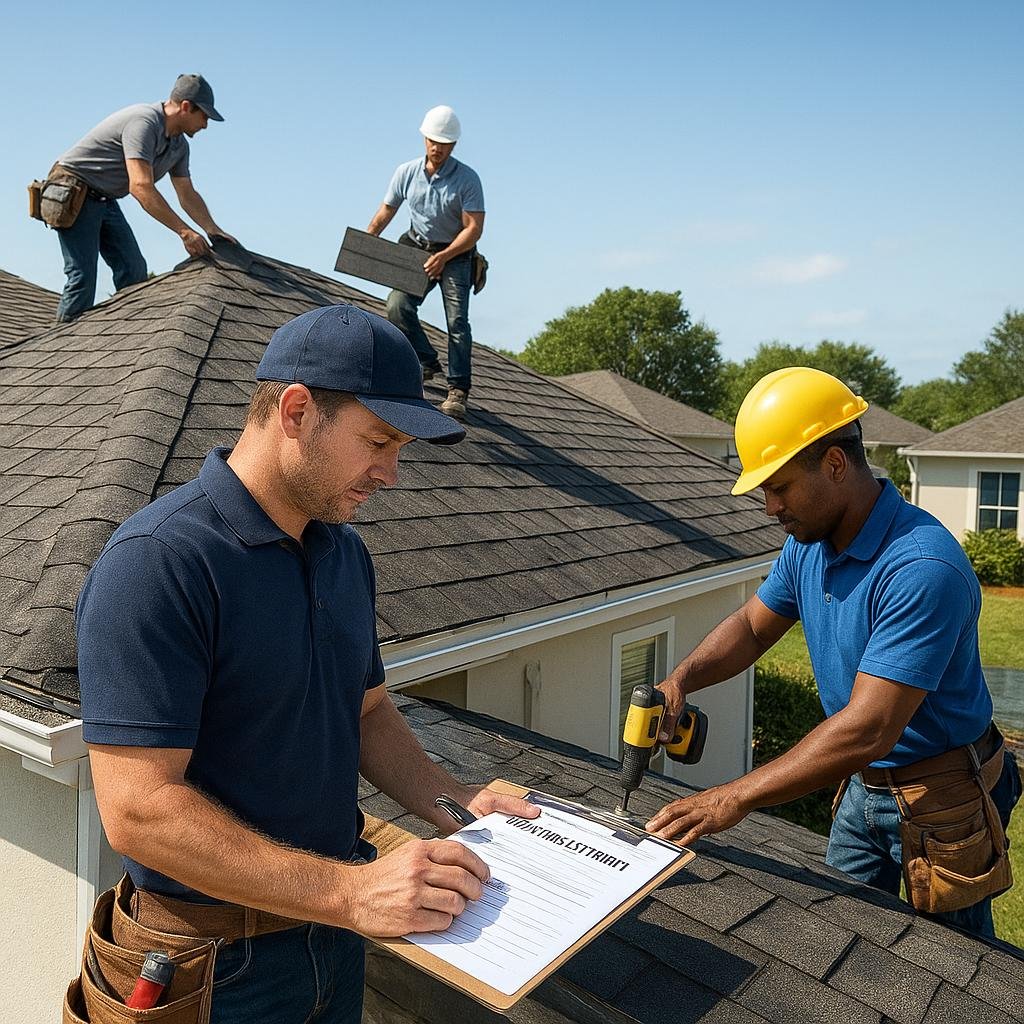
Jacksonville’s Atlantic coast climate brings heavy rain, high winds, and year-round humidity. These conditions accelerate wear on shingles, flashing, and fasteners—especially in neighborhoods exposed to salt air. A seasoned roof expert understands how sea spray can corrode metal components, why algae-resistant shingles are essential, and how afternoon thunderstorms affect installation timing and safety.
In Northeast Florida, wind-lift is a frequent culprit behind missing shingles after summer squalls. Proper nail count, placement, and manufacturer-approved underlayment are not “nice to haves”—they’re must-haves. A local roofing contractor also knows the importance of sealed roof decks, hurricane straps, and code-compliant ventilation to reduce heat and moisture buildup during sweltering Jacksonville summers.
From San Marco to the Beaches, the right professional will recommend systems designed for both intense UV and sudden downpours. They’ll also help you prepare for hurricane season by addressing vulnerable edges, valleys, and penetrations. Choosing a true roof expert means you get a system tailored to the challenges of the Jacksonville metro area—not a one-size-fits-all approach meant for milder climates.
Credentials, Insurance, and Wind Mitigation — What Jacksonville Homeowners Should Verify
Before signing anything, verify licensing and insurance. In Duval County and across Florida, your contractor should carry general liability and workers’ compensation. Ask for proof, confirm policy status, and make sure the name on the insurance matches the business on your estimate. Reputable roofing professionals are transparent about documentation and happy to explain how coverage protects you and their crew.
Wind mitigation is another Jacksonville reality. Many insurers require or incentivize wind-mitigation features—sealed roof decks, enhanced nailing patterns, and rated coverings. Your contractor should be familiar with inspection requirements and recommend upgrades that improve storm resilience and may help with premiums. Equally important is permitting; your roofer should handle permits, schedule inspections, and provide you with closing documents when the job is complete.
Local experience matters. Ask how many projects the company has completed in your neighborhood and request recent references. Understand their service model after the sale—who will you call if a summer thunderstorm reveals a small leak? To learn how a local team approaches these details, visit our About Us page for background, process, and values that align with Jacksonville homeowners’ needs.
Materials That Stand Up to Northeast Florida Weather
In Jacksonville, material choice is about more than curb appeal. Asphalt shingles rated for high winds (130 mph or more), algae-resistant granules, and quality underlayments help roofs last in a humid, storm-prone environment. Metal roofing can be a strong option near the coast due to its durability and resistance to wind, though fastener selection and coatings should address salt spray. Tile performs well in heat but may require reinforced framing and careful flashing work around hips and ridges.
Work with your roofing contractor to select manufacturer-backed systems that include compatible components (starter strip, underlayment, hip and ridge, and ventilation). Leading brands such as GAF and Owens Corning offer wind-rated shingles, algae protection technologies, and strong warranty programs when installed by certified professionals. For ocean-facing homes, ask about stainless or coated fasteners and flashing to combat corrosion from salt air.
Don’t overlook ventilation. Jacksonville’s summer heat and humidity can trap moisture in attics, shortening shingle life and encouraging mold. Balanced intake and exhaust ventilation keeps the deck cooler and drier, supporting long-term performance and helping maintain a beautiful roof. Your roof expert should evaluate your attic, soffits, and ridge to confirm airflow meets manufacturer and code requirements.
The Roof Repairing and Replacement Process: What to Expect
A clear, step-by-step plan reduces surprises—especially with Jacksonville’s pop-up storms. Here’s a typical workflow you can expect from a well-organized roofing specialist:
- Inspection and Documentation: Detailed photos of shingles, flashing, decking, and penetrations, plus a moisture check in the attic.
- Scope and Estimate: A written proposal specifying materials, wind ratings, ventilation, and warranty terms.
- Scheduling and Permitting: Permit pulled, materials ordered, and weather window chosen to avoid afternoon thunderstorms where possible.
- Protection and Tear-Off: Tarps protect landscaping; old roofing removed to the deck; damaged decking replaced as needed.
- System Installation: Underlayment, flashing, starter, shingles or panels, vents, and hips/ridges installed per manufacturer specs.
- Quality Control: Supervisor walkthrough, magnet sweep for nails, and final photos for your records and insurance.
- Closeout and Support: Permit inspection, documentation delivered, and guidance on maintenance before hurricane season.
If rain threatens during tear-off, your crew should have a plan to secure the deck quickly. In Jacksonville, that rainy 3 p.m. cell is common—your contractor’s readiness protects your interior and keeps your project on track.
Comparing Roofing Contractors in the Jacksonville Metro Area
Quotes can look similar, but service and long-term value often differ. Use the table below to compare typical provider types you might encounter after a storm or during planned replacement.
| Provider Type | What You’ll See | Pros | Cons |
|---|---|---|---|
| Out-of-Town “Storm Chaser” | Aggressive sales after big Jacksonville storms | Fast initial response | Limited local references, uncertain warranty support, may not return after leaving the area |
| Standard Contractor | Basic options, mid-range materials, average scheduling | Reasonable pricing, licensed/insured | May not optimize for wind mitigation or salt corrosion in coastal neighborhoods |
| Local Best Roof Expert | Jacksonville-focused solutions, documented process, certified with major manufacturers | Stronger warranties, materials tailored to humidity, algae, and wind; reliable service after the sale | Not always the lowest initial bid |
Evaluate more than price: ask for neighborhood references, confirm manufacturer certifications, and review warranties line by line. A best roof expert offers clarity on materials and performance in Jacksonville’s climate, not just a quick install.
Red Flags and Questions to Ask a Jacksonville Roofing Professional
Use this checklist as you evaluate roofing contractors across Jacksonville and Duval County:
- No local references from the past 12 months in Northeast Florida.
- Reluctance to provide license/insurance or explain wind-mitigation features.
- Vague scope of work without underlayment, flashing, and ventilation details.
- Pressure to sign before a full inspection or without photos of problem areas.
- Cash-only or unusually low bids that exclude tear-off, decking, or disposal.
Key questions to ask:
- Which wind rating and algae resistance do these shingles carry?
- How will you protect my home if an afternoon thunderstorm rolls in?
- What fasteners and flashing materials do you use for homes near the Atlantic coast?
- How do you handle warranty claims and service calls after hurricane season?
- Can I see documentation from a recent Jacksonville permit and final inspection?
Maintenance for a Beautiful Roof in Duval County
Even the best installation needs seasonal care. Jacksonville’s humidity encourages algae and mold, while salt air near the Beaches can corrode exposed metal. A simple maintenance plan keeps your roof performing and looking great:
- Gutter and Downspout Care: Clean quarterly to prevent overflow during summer storms.
- Algae Control: Choose algae-resistant shingles and schedule gentle cleanings to avoid granule loss.
- Tree Management: Trim overhanging limbs—especially live oaks and pines—to reduce debris and shade-driven moisture.
- Sealant and Flashing Checks: Inspect before hurricane season; re-seal vulnerable penetrations and replace corroded flashing.
- Attic Ventilation: Confirm intake/exhaust balance to reduce heat and humidity that can shorten roof life.
Many HOAs across the Jacksonville metro area require maintained appearances and timely roof repairing. Regular inspections help you stay compliant and ready for insurance renewals.
Roofing Mistakes Jacksonville Homeowners Should Avoid
- Delaying small repairs until after hurricane season—minor shingle lift can become interior leaks after one storm.
- Choosing non-corrosion-resistant flashing or fasteners near the coast, leading to early failures from salt spray.
- Skipping attic ventilation upgrades, which accelerates shingle aging in Jacksonville’s summer heat.
- Using pressure washing to remove algae, which strips granules and voids warranties—opt for gentle, approved cleaning methods.
- Hiring based on price only, without verifying licensing, insurance, and wind-mitigation expertise.
Frequently Asked Questions
How often should I schedule a roof inspection in Jacksonville?
Plan on a professional inspection once a year and again after major storms. Jacksonville’s humidity and wind can cause hidden damage, and early detection keeps costs down.
What roofing materials hold up best in the Jacksonville climate?
High-wind-rated, algae-resistant asphalt shingles are popular, while metal performs well near the coast with the right coatings and fasteners. Your roof expert can tailor materials to your neighborhood and exposure.
Do I need a wind-mitigation inspection for insurance in Duval County?
Many insurers encourage or require wind-mitigation features. A qualified roofing professional can install enhancements and provide documentation that may help with premiums.
Is roof repairing a good option if I see a few missing shingles after a storm?
Often, yes—timely roof repairing can extend the life of your system. However, if damage is widespread or the roof is near end-of-life, a targeted replacement may be more cost-effective.
How do Jacksonville’s afternoon thunderstorms affect roofing schedules?
Experienced contractors plan tear-off and dry-in around radar patterns and carry materials to secure your deck quickly. Weather-readiness is essential during peak summer months.
Will my HOA in the Jacksonville metro area restrict color or material choices?
Many HOAs have specific guidelines for materials and colors. Your roofing contractor should review your HOA requirements and provide submittals for approval before work begins.
Choosing the right roofing professional in Jacksonville means balancing material performance, code compliance, and long-term service. A trusted local team will tailor solutions to our Atlantic coast climate and be there when you need them most. For dependable help from a local specialist, Contact Jacksonville Roof Specialists today to schedule your inspection and get a detailed, storm-ready plan.

