


Your Jacksonville Roof Expert Guide to Roof Replacement Cost, Affordable Options, and Payment Plans
Hurricane season, afternoon thunderstorms, and year-round humidity make Jacksonville roofing uniquely demanding. If you’re pricing a new roof this year, the right roof expert can help you understand costs, materials, and timing—so you’re ready before the next tropical system spins up the coast. From wind mitigation to HOA color approvals, Jacksonville homeowners and property managers face decisions that go beyond a simple shingle swap.
At Jacksonville Roof Specialists, our local team understands the Atlantic coast climate, from salt air corrosion near the beaches to algae growth in shaded neighborhoods across Duval County. Whether you’re comparing asphalt shingles to metal or weighing roof repairing versus full replacement, we’ll help you balance budget, curb appeal, and storm resilience. Visit Jacksonville Roof Specialists for expert guidance rooted in Northeast Florida conditions.
Key Takeaways
- Jacksonville roof replacement costs are shaped by wind ratings, decking condition from humidity, and hurricane-ready installation details.
- Architectural shingles, algae-resistant products, and proper ventilation combat heat, UV, and mold common in Northeast Florida.
- Financing and payment plans can spread costs; ask about wind mitigation inspections that may lower insurance premiums.
- Schedule projects outside peak June–November hurricane season when possible and plan for quick-weather changes due to afternoon storms.
- For coastal homes, consider fasteners and materials resistant to salt spray corrosion and high winds.
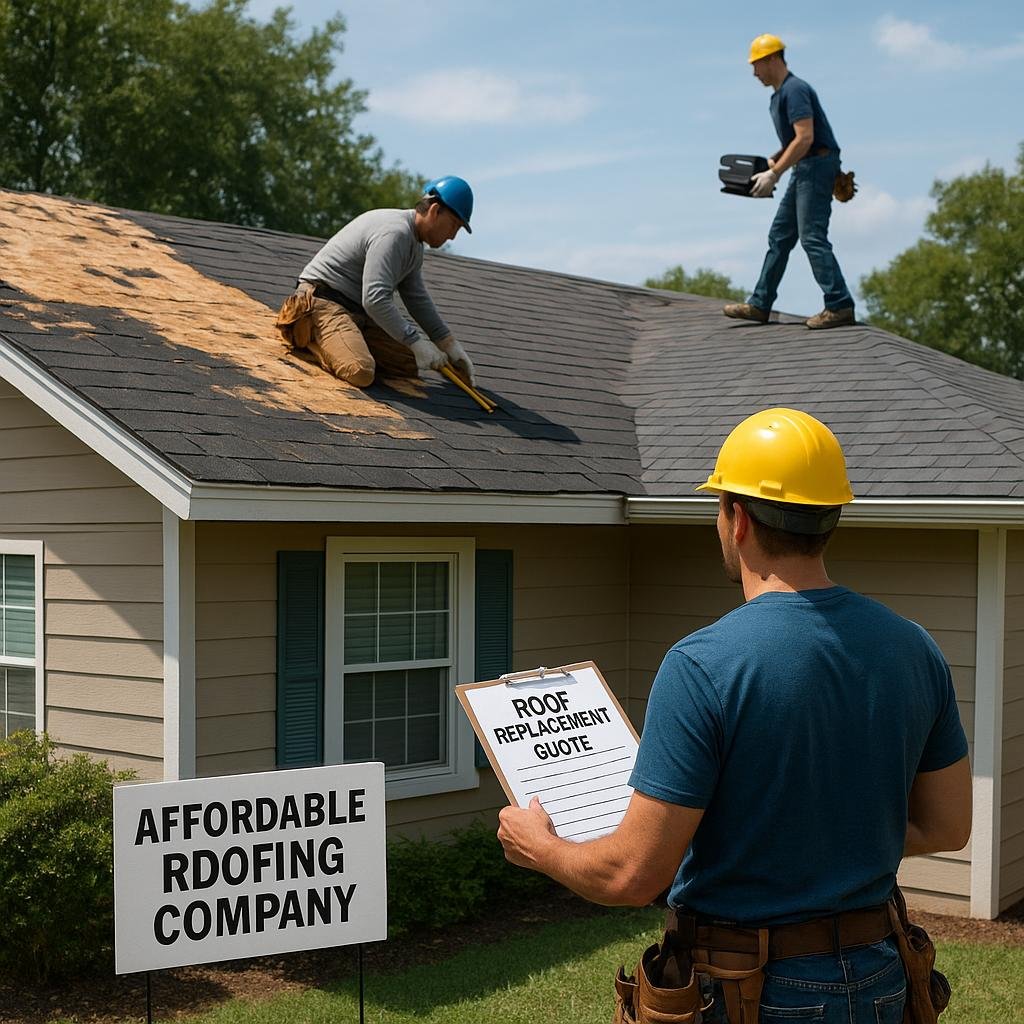
Roof Replacement Cost in Jacksonville: What Really Drives the Price
In the Jacksonville metro area, total roof replacement cost typically reflects five key factors: roof size and pitch, material selection, decking and underlayment condition, wind-resistance requirements, and local labor. A 1,600–2,400 sq. ft. home with architectural shingles may fall into a moderate price range, while coastal properties with higher wind specs and corrosion-resistant fasteners can land higher.
Jacksonville’s subtropical climate adds complexity. Prolonged humidity can soften roof decking, particularly after years of minor leaks or trapped moisture. Afternoon thunderstorms also accelerate shingle wear, while intense summer UV shortens the life of budget products. When a roof expert inspects, they’ll evaluate not just the shingle layer, but also flashing, ventilation, and attic moisture—items that influence both immediate cost and long-term performance.
Don’t forget permitting and potential HOA approvals common in Jacksonville neighborhoods. Duval County permitting is straightforward, but coastal wind zones typically require enhanced fastening patterns, upgraded underlayments, and documented wind ratings. Those upgrades raise initial cost slightly but can reduce storm damage risk and support insurance needs during hurricane season.
Materials and Price Ranges for Northeast Florida Roofs
Material choice has a major impact on both cost and performance. In Jacksonville, architectural asphalt shingles remain popular for their balance of price, curb appeal, and wind ratings. Many homeowners also explore metal for longevity and energy efficiency, while tile appears on select homes for its coastal aesthetic. Wherever you land, consider algae-resistant shingles, reflective options for heat, and underlayments rated for high humidity.
Architectural asphalt shingles from respected manufacturers such as GAF and Owens Corning offer stronger wind warranties than older 3-tab shingles, along with better UV resistance. Metal roofing delivers excellent wind performance and salt-spray durability when paired with coastal-grade coatings and stainless fasteners. Tile systems—while premium—can be ideal in certain neighborhoods, provided your home’s structure supports the additional weight and your HOA approves the style.
Ask your contractor about enhanced underlayment, starter strips, drip edge, and ridge ventilation. These line items are often where Northeast Florida homes gain real staying power against tropical rain, heat, and algae growth. Even if you’re focused on an affordable install, dialing in these details helps prevent leaks and extends roof life in Jacksonville’s challenging climate.
Cost vs. Longevity: Jacksonville Roofing Comparison
Below is a simple comparison to help balance budget, durability, and maintenance in our Atlantic coast environment. Actual costs vary by size, pitch, and required wind specifications.
| Material | Typical Cost (per sq. ft.) | Avg Lifespan | Wind Performance | Maintenance Notes |
|---|---|---|---|---|
| Architectural Asphalt | $4.50–$7.50 | 20–30 years | Good with proper install | Use algae-resistant shingles; inspect after storms |
| Metal (Standing Seam) | $8.50–$14.00 | 40–50+ years | Excellent when engineered for wind | Coastal-grade coatings; stainless fasteners near beaches |
| Concrete/Clay Tile | $10.00–$18.00 | 40–50+ years | Very good with proper fastening | Check structural load; periodic underlayment checks |
Payment Plans, Insurance, and Budgeting for Duval County Roofs
Roof replacement is a major investment, but Jacksonville homeowners have options. Many roofing contractors offer payment plans to spread costs over time, and some pair financing with seasonal promotions outside the peak June–November hurricane season. If your roof has storm damage, your insurance policy may help—especially when wind or hail is the cause and you can document recent severe weather impacts.
For long-term savings, ask about wind mitigation inspections. Upgrades like enhanced underlayment, sealed roof decks, and improved roof-to-wall connections can improve resilience and may qualify you for premium discounts. On the budgeting side, compare good-better-best proposals, noting how underlayment type, ventilation, and ridge accessories affect lifespan. A slightly higher upfront cost could reduce future roof repairing bills after a rough storm cycle.
Finally, consider timing. Planning early in the year or late fall often means more scheduling flexibility, fewer weather delays, and the chance to secure better financing terms. In coastal Jacksonville, salt spray and high winds raise the stakes—so balance affordability with the features your home needs to withstand the Atlantic coast climate.
How a Roof Expert Calculates Your Jacksonville Roof Replacement
Estimating accurately in Jacksonville demands a process tuned to our weather and building practices. Here’s how a roofing professional typically approaches it:
- Exterior inspection: Measure roof area, slope, and complexity; note flashing and penetrations common on Northeast Florida homes.
- Attic check: Look for moisture, mold, or inadequate ventilation that can shorten shingle life in humid conditions.
- Deck assessment: Identify soft spots from past leaks or storm-driven rain; plan for decking repairs if needed.
- Wind and code review: Specify underlayment, fastening, and ridge systems that meet coastal wind expectations and Duval County codes.
- Detailed proposal: Price materials, labor, tear-off, disposal, and options like algae-resistant shingles or upgraded ventilation.
- Schedule for weather: Build in flexibility around afternoon thunderstorms and coordinate start dates outside peak hurricane threats when possible.
By following these steps, a roof expert balances cost and performance while helping you secure a safe, beautiful roof that stands up to Jacksonville’s heat, humidity, and storm cycles. When small repairs make sense, they’ll outline roof repairing options to buy time before a full replacement—especially useful if you’re planning around insurance or HOA timelines.
Choosing the Best Roof Expert Near Me in the Jacksonville Metro Area
Finding the right partner in the Jacksonville metro area means checking credentials and local experience. Look for a roofing contractor with Florida licensing, strong insurance, and documented wind-ready installations. Local references—from Riverside and San Marco to the Beaches—matter because salt air, algae, and summer heat challenge roofs differently across neighborhoods.
- Local expertise in wind mitigation and coastal fastening patterns
- Clear, line-item proposals with options for materials and underlayment
- Algae-resistant and energy-efficient product choices for humidity and UV
- Guidance on HOA approvals and color selections for a consistent, beautiful roof
- Payment plan options and help with insurance documentation, when applicable
- Responsive scheduling around afternoon storms and tropical systems
Want to know who’s behind the work? Visit our team page to learn how we operate and what to expect from first call to final inspection: About Jacksonville Roof Specialists. We’re committed to transparent pricing, local code compliance, and craftsmanship that meets Northeast Florida’s standards.
Roofing Mistakes Jacksonville Homeowners Should Avoid
- Skipping algae-resistant shingles: High humidity breeds algae; choose shingles designed to resist staining and deterioration.
- Underestimating wind requirements: Coastal gusts and tropical storms demand enhanced underlayment and fastening—don’t cut corners.
- Ignoring ventilation: Without balanced intake and exhaust, attic heat and moisture can warp decking and age shingles prematurely.
- Using non-coastal fasteners near the beach: Salt spray corrodes standard metals—specify stainless or coated systems.
- Rushing projects in peak hurricane season: Plan ahead to avoid weather delays and ensure safer, steadier installations.
Frequently Asked Questions
What is the average cost to replace a roof in Jacksonville?
Costs vary by size, pitch, and materials, but many Jacksonville homeowners see full replacements fall into the mid-to-upper range for architectural shingles, with metal and tile priced higher. Decking repairs, wind-rated underlayment, and coastal fasteners can influence totals.
When is the best time of year to replace a roof in Jacksonville?
Late winter through spring and late fall often provide steadier weather and more flexible schedules. During June–November hurricane season, plan for potential delays from afternoon thunderstorms and tropical systems.
Can wind mitigation upgrades lower my insurance premiums?
Yes. Features like sealed roof decks, enhanced underlayment, and improved roof-to-wall connections may help you qualify for wind mitigation credits. Ask your insurer what documentation is needed before the project starts.
Do I need special materials near the coast?
Homes exposed to salt air benefit from coastal-grade coatings and stainless or corrosion-resistant fasteners. Your contractor should also recommend products that balance wind resistance with algae and UV protection for the Atlantic coast climate.
Can roof repairing extend the life of my current roof?
Targeted repairs can buy time when overall condition is sound. However, widespread shingle wear, soft decking, or storm damage may make a full replacement more cost-effective—especially if insurance or financing helps.
Will I need HOA approval for my new roof?
Many Jacksonville neighborhoods require HOA approvals for materials and colors. Secure approvals early to avoid delays, and ask your contractor for samples that meet both aesthetic goals and wind specifications.
Conclusion: Local Expertise for Jacksonville Roofing Done Right
Jacksonville’s heat, humidity, and storm risk demand a roof built for our Atlantic coast reality. With the right materials, wind-ready installation, and smart financing, you’ll control costs today and protect your home for years. Ready for a clear, local estimate from a trusted roof expert? Contact Jacksonville Roof Specialists for a tailored plan that fits your budget, timeline, and neighborhood requirements.

