


Roof Replacement Cost in Jacksonville, FL: Choose the Right Roof Expert, Affordable Options, and Contractors Near You
When a summer squall rolls off the Atlantic and a sudden leak appears in your living room, you need a roof expert who understands Jacksonville’s climate and codes. Between hurricane-season wind loads, year-round humidity, and salt air along the beaches, roofs in Northeast Florida face challenges that demand local know-how and precise installation.
This guide breaks down roof replacement cost in Jacksonville, payment plans that make sense, and how to find the best roof expert near you. We’ll also cover materials that hold up to Duval County’s storms and humidity, how insurance and wind mitigation affect pricing, and a simple process to keep your project on schedule—even with afternoon thunderstorms.
Whether you manage multiple properties across the Jacksonville metro area or you’re a homeowner in a coastal neighborhood, these tips will help you budget smart, prevent surprise expenses, and end up with a beautiful roof built for the Atlantic coast climate.
Key Takeaways
- Jacksonville roofing costs are influenced by wind-rated materials, hurricane-season scheduling, and Duval County permitting.
- Ask for a Florida wind mitigation inspection to earn potential insurance credits and verify roof fastening details.
- Choose algae-resistant shingles and corrosion-resistant accessories for high humidity and salt spray near the coast.
- Confirm your roofing contractor carries Florida licensing and insurance and has recent Jacksonville references.
- Plan around afternoon thunderstorms and coordinate debris disposal and property protection before work begins.
- Explore financing and payment plans that fit your budget without compromising on quality or wind resistance.
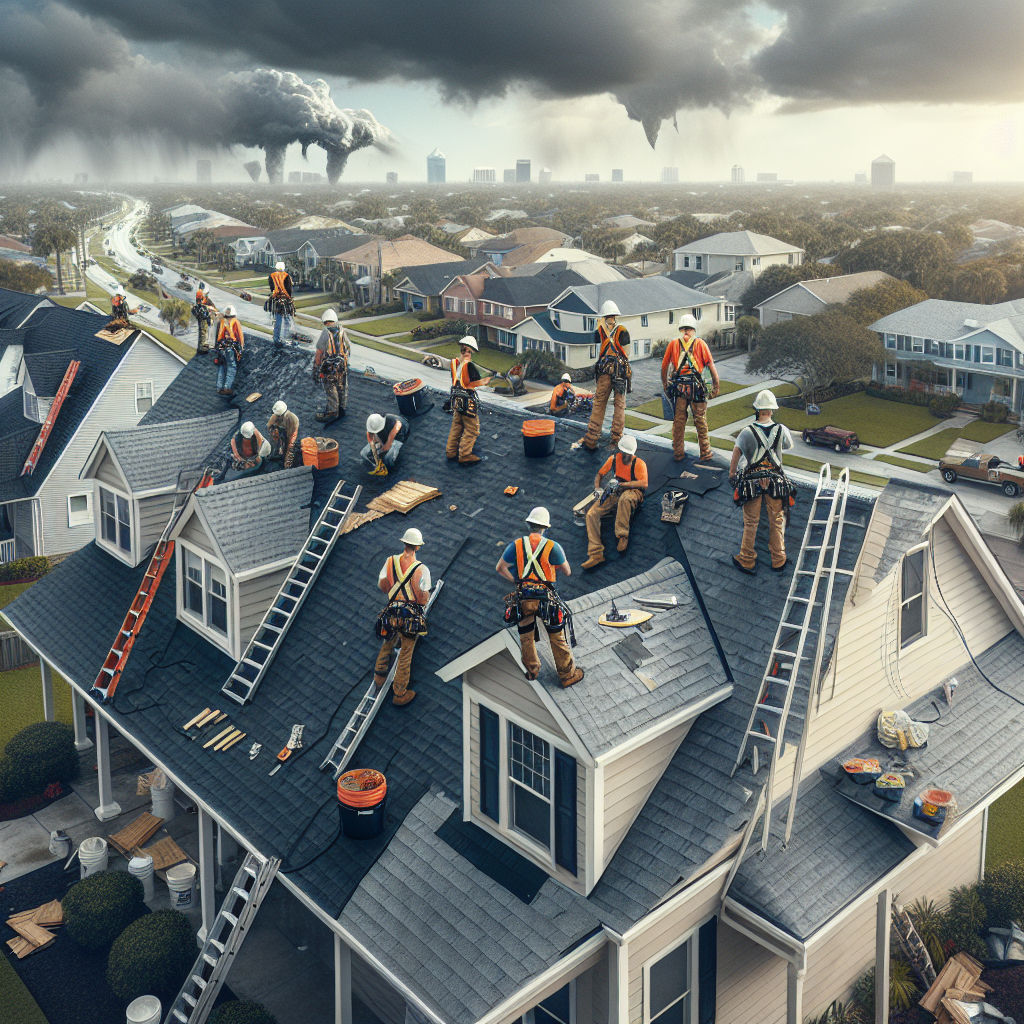
What Drives Roof Replacement Cost in Jacksonville
Several Jacksonville-specific factors influence replacement cost beyond the basic square footage and pitch. Wind code requirements are higher along the Atlantic coast, which means you may need enhanced underlayment, improved fasteners, and wind-rated shingles or panels. This adds upfront cost but often pays off in durability and potential insurance savings. The subtropical climate also demands ventilation and moisture control to combat algae growth and attic heat.
In coastal areas of the Jacksonville metro area, salt air can corrode exposed metals. Stainless or aluminum accessories, sealed flashing, and high-quality ridge vents help prevent premature failures. Disposal fees can increase if your roof has multiple layers to remove, and Duval County permitting and inspections must be factored into your schedule and budget. Seasonal timing—the lead-up to hurricane season between June and November—can also affect availability and pricing.
Material choice is another cost driver. Architectural asphalt shingles are the most common, but metal or tile can outlast asphalt in our humid environment. Your Jacksonville Roof Specialists estimator will weigh lifespan, wind ratings, and salt resistance against your budget to recommend the right system.
Choosing a Roof Expert in Jacksonville: Credentials and Red Flags
A reliable roof expert blends technical skill with local experience. Ask for Florida license and insurance details, and request recent references from Jacksonville homeowners—preferably in neighborhoods with similar exposure, whether that’s inland humidity or coastal salt spray. Verify the crew’s training on wind-resistant installation, especially the fastening patterns, flashing details, and secondary water barrier options that protect against hurricane-driven rain.
Look for transparent proposals that include underlayment type, ventilation plan, drip edge and flashing materials, and debris protection for landscaping and pools. A clear schedule that accounts for afternoon thunderstorms is another sign of professionalism. Red flags include vague scopes, missing permit details, or quotes that dramatically undercut Jacksonville market averages without explaining how they’ll meet wind code and quality standards.
If you want to understand our approach and local track record, review our story and processes here: about us. A strong roofing specialist will help you choose materials that fit your goals, whether that’s maximizing wind resistance, achieving a beautiful roof with strong curb appeal, or minimizing maintenance in high-humidity zones.
Payment Plans, Insurance, and Financing Options in Northeast Florida
Many Jacksonville homeowners replace a roof after a major storm or when the summer heat exposes weak spots. If your roof replacement involves an insurance claim, clarify whether your policy pays Actual Cash Value (ACV) or Replacement Cost Value (RCV). Ask about the wind mitigation inspection and paperwork—proper nailing patterns, underlayment, and roof-to-wall connections may reduce premiums.
For out-of-pocket projects, payment plans can spread costs without sacrificing material quality. Options may include low-interest financing, staged payments tied to project milestones, or short-term promotional rates. A clear contract should outline deposit amounts, progress payments, and warranty coverage for both materials and workmanship.
If you’re considering financing or need a fast estimate ahead of hurricane season, Contact Jacksonville Roof Specialists for a straightforward proposal. We’ll help you compare line items, so you know exactly what you’re paying for, from enhanced underlayment to wind-rated shingles and corrosion-resistant accessories.
Comparing Roofing Materials and Lifespan for Jacksonville Homes
Material choice affects upfront cost, long-term value, and performance against Jacksonville’s heat, humidity, and storms. Architectural shingles remain a cost-effective favorite; metal excels in wind and salt resistance when detailed correctly; tile offers longevity and coastal appeal but requires proper structural assessment. For warranty-backed systems, many homeowners choose branded options from trusted manufacturers such as GAF and Owens Corning.
| Material | Typical Cost | Wind/Weather Fit | Jacksonville Notes |
|---|---|---|---|
| Architectural Asphalt Shingles | $ (most affordable) | Good with proper wind rating | Choose algae-resistant shingles; verify nailing pattern and sealed edges for storms. |
| Metal (Steel/Aluminum) | $$–$$$ | Excellent wind and rain shedding | Aluminum resists coastal salt spray; confirm underlayment type to reduce noise and heat. |
| Concrete/Clay Tile | $$$ | Very durable with proper fastening | Great longevity; ensure structure can support weight; strong choice in coastal neighborhoods. |
Step-by-Step: The Roof Replacement Process in Duval County
Clear communication and weather-aware scheduling are essential in Jacksonville. Here’s a typical workflow our clients experience from the first visit to the final inspection:
- Assessment and Estimate: Document roof condition, ventilation, decking integrity, and storm-related issues. Align materials with wind and humidity needs.
- Permitting and Scheduling: Arrange Duval County permits and inspections; schedule around hurricane season and afternoon thunderstorms.
- Material Staging and Property Protection: Deliver materials, set up tarps and netting, and protect landscaping, pools, and AC units.
- Tear-Off and Decking Repairs: Remove old layers; replace rotten decking and install corrosion-resistant flashing.
- Underlayment and Dry-In: Install code-compliant underlayment and secondary water barriers to guard against wind-driven rain.
- Shingles/Metal/Tile Installation: Follow manufacturer fastening and sealant specs for wind ratings appropriate to Jacksonville’s Atlantic exposure.
- Ventilation, Edges, and Details: Set ridge vents, drip edge, and pipe boots; confirm algae-resistant and salt-safe components where needed.
- Cleanup and Final Inspection: Magnet sweep for nails, haul debris, and complete city inspections; provide warranties and wind mitigation documentation.
Maintenance and Roof Repairing Tips for Jacksonville Roofing
Even the best installations need routine care to perform in our humid, subtropical climate. These quick tasks can extend the life of your new system and preserve that beautiful roof look through the hottest months.
- Control algae and mildew: Use algae-resistant shingles or coatings and plan gentle cleanings to prevent dark streaks common in Jacksonville’s humidity.
- Clear debris before storms: Keep gutters and valleys clear so afternoon downpours and tropical systems can drain freely.
- Inspect after major winds: Check for lifted edges, missing shingles, or compromised flashing following strong thunderstorms or tropical storms.
- Mind the salt air: In coastal neighborhoods, rinse metal accents periodically and inspect fasteners for corrosion.
- Balance attic ventilation: Proper intake and exhaust reduce heat and moisture that can shorten shingle life in Northeast Florida.
- Schedule annual checkups: A quick visit from a roof expert before hurricane season can catch small issues before they become costly leaks.
Addressing minor issues promptly—loose flashing, clogged gutters, lifted sealant—can prevent bigger repairs and stabilize insurance costs in the long run.
Working With Jacksonville Roof Specialists: Local Expertise, Transparent Pricing
As a locally focused roofing contractor, we tailor every project to Jacksonville’s climate, from wind-rated selections to moisture management. We help you compare materials and warranties line by line so the final number matches your expectations and the roof’s performance needs.
Our crews plan around afternoon storms and keep jobsites clean to protect landscaping, driveways, and neighboring properties. We also provide organized documentation for wind mitigation and warranty registration to simplify homeowner and insurance requirements. If you’d like to see who we are and how we work, visit about us or explore services at Jacksonville Roof Specialists. When you’re ready for pricing or scheduling, we’ll provide a clear, written proposal with options that fit your home and budget.
Roofing Mistakes Jacksonville Homeowners Should Avoid
- Choosing non-rated materials: Using low-wind or generic products can lead to blow-offs during hurricane season.
- Skipping secondary water barriers: In our storm-prone area, sealed underlayment layers are crucial against wind-driven rain.
- Ignoring corrosion risks: Standard steel nails or flashing can corrode in coastal salt air; choose corrosion-resistant metals.
- Under-ventilating attics: High heat and humidity in Jacksonville can prematurely age shingles without balanced ventilation.
- Delaying post-storm inspections: Small punctures or lifted edges after tropical storms can become major leaks if not addressed quickly.
Frequently Asked Questions
How much does a roof replacement cost in Jacksonville?
Costs vary by size, pitch, materials, and wind-rating requirements, but most Jacksonville homes fall into a predictable range with architectural shingles. Metal and tile increase investment but can deliver longer service life and better coastal performance. A written estimate will itemize materials, underlayment, ventilation, and debris removal.
When is the best time of year to replace a roof in Jacksonville?
Roofing happens year-round, but many homeowners book before or after hurricane season (June–November). Your contractor should monitor forecasts for afternoon thunderstorms and plan dry-in steps to keep your home protected during installation.
Can a new roof lower my insurance premium in Duval County?
Yes. A compliant wind mitigation inspection documenting fasteners, underlayment, and other features may reduce premiums. Ask your insurer what roof features qualify and ensure your contractor provides the proper documentation at completion.
What roofing materials handle salt spray best near the Atlantic coast?
Aluminum metal systems and corrosion-resistant accessories perform well, along with tile in many coastal neighborhoods. If you prefer shingles, look for algae-resistant options and ensure flashing and fasteners are rated for salt exposure.
How long does permitting and inspection take in Jacksonville?
Permitting timelines vary, but most projects move quickly with complete documentation. Plan for inspections at key stages. A local contractor familiar with Duval County processes helps keep schedules predictable.
Do I need to be home during the roof replacement?
Not necessarily. Many Jacksonville homeowners coordinate access and check-ins remotely. Be available by phone for quick decisions, and ensure pets, vehicles, and outdoor furniture are secured before work starts.
Conclusion: Protect Your Jacksonville Home Year-Round
From hurricane-season wind loads to relentless humidity, Jacksonville roofs work hard. Choosing the best roof expert, selecting wind- and salt-resistant materials, and planning smart payment options will deliver a durable, beautiful roof for years to come. If you’re ready for a clear estimate and local guidance tailored to the Jacksonville metro area, Contact Jacksonville Roof Specialists today.

